AI Search Optimization | ChatGPT, Perplexity, AI Overviews, Copilot Citations | hey-ash
AI Search Optimization

Get cited in the answers people read first.

Generative engine optimization and answer engine optimization for businesses that want to be cited in ChatGPT, Perplexity, Claude, Google AI Overviews, and Microsoft Copilot. Real Bing and AI Performance dashboards behind every claim.

ChatGPT Perplexity Claude AI Overviews Copilot Gemini You.com Bing
ChatGPT Perplexity Claude Google AI Overviews Microsoft Copilot Gemini You.com Bing Meta AI Mistral ChatGPT Perplexity Claude Google AI Overviews Microsoft Copilot Gemini You.com Bing Meta AI Mistral
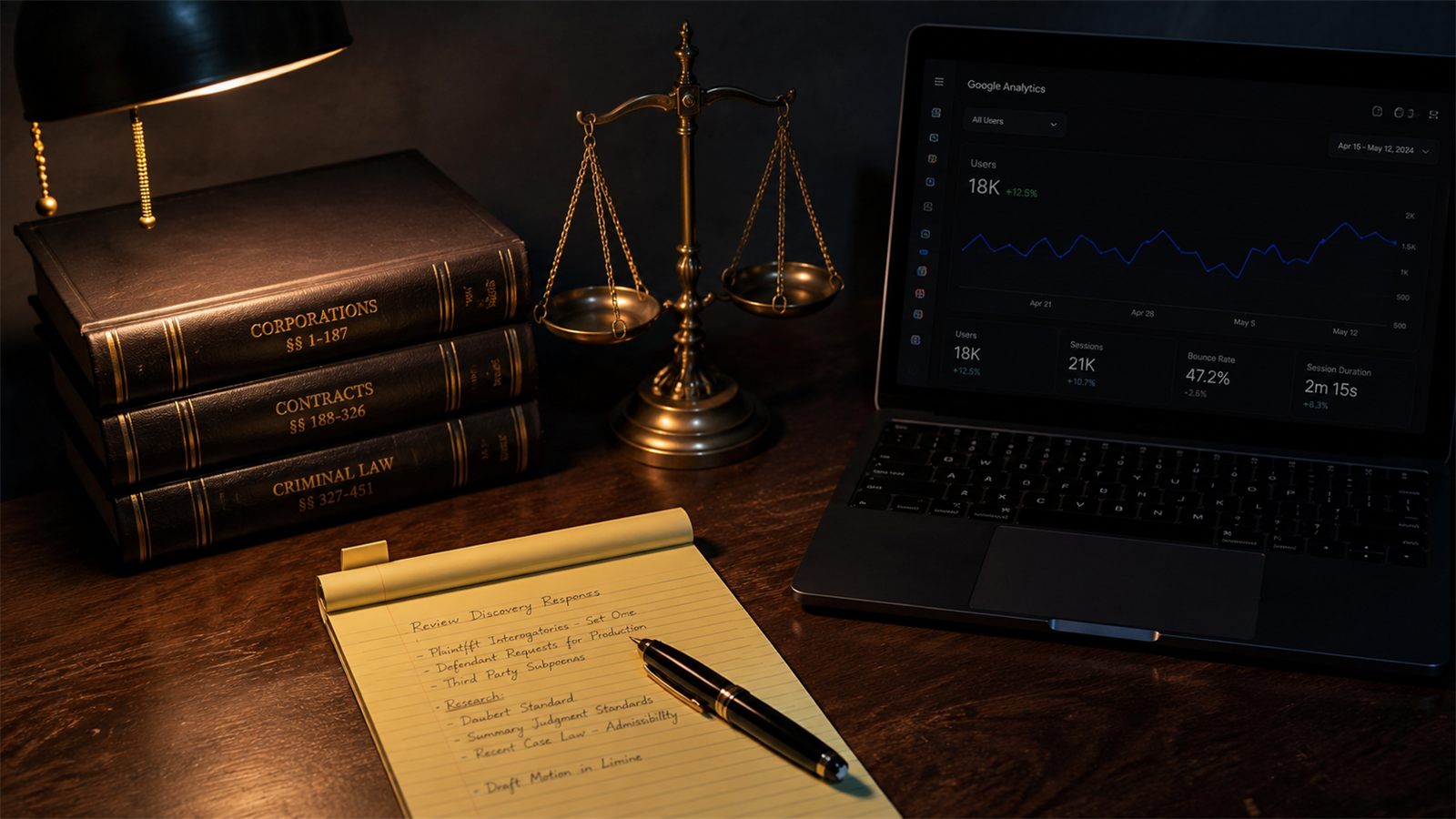
Workspace showing AI engines side by side with traditional search
Why traditional SEO is not enough

Ranking on Google does not guarantee a citation.

AI search engines do not rank pages. They pick sources. The signals they read, the way they weight authority, and the way they format an answer are fundamentally different from Google’s classic blue-link algorithm. Optimizing for traditional SEO and stopping there leaves the AI surface to whoever did the extra work.

Position 1 on Google does not mean ChatGPT will quote you. Each engine has its own crawler, training data, and citation logic.

Bing index drives Copilot and most of ChatGPT browsing. Bing-blind sites cap their own ceiling regardless of Google performance.

Long flowing prose rarely makes it into an answer. AI engines favor pages structured around the question they were asked.

No llms.txt, no entity reinforcement, no Wikipedia or Wikidata anchor means the model cannot resolve who you are.

No measurement plan means you discover competitor citations months after the fact, instead of moving on the next citable question.

Hallucinated brand facts go uncorrected. The model keeps quoting wrong pricing, wrong service area, or a competitor’s claim as yours.

What you actually get

Six layers, built for citations.

Every AI Search retainer covers all six layers below. Depth on each layer is scoped after the free audit so the work matches where your brand actually stands in each engine today.

01 GEO

Generative Engine Optimization

The work that gets you cited inside ChatGPT, Claude, Perplexity, and Gemini answers.

  • Citation-grade page architecture
  • Question-first content rewriting
  • Quote-ready phrase engineering
  • Source authority reinforcement
  • Crawler-friendly markup
02 AEO

Answer Engine Optimization

Featured-snippet and AI Overviews work targeting Google’s classic answer surfaces.

  • People Also Ask coverage
  • Featured snippet capture
  • AI Overviews source slot
  • FAQ + HowTo schema
  • Direct-answer formatting
03 Entity

Entity SEO + knowledge graph

Make sure the AI can resolve who you are, what you do, and where you operate.

  • Wikidata entry creation
  • Wikipedia eligibility groundwork
  • Schema entity consolidation
  • Knowledge panel reinforcement
  • Brand mention seeding
04 Content

Citation-grade content production

Cluster content engineered around the prompts your prospects actually type into AI.

  • Prompt-intent research
  • Citable statistic plates
  • Comparison and listicle pages
  • Original data and survey content
  • Refresh cadence for stale answers
05 Signals

llms.txt + AI crawler signals

The technical handshake that tells GPTBot, ClaudeBot, PerplexityBot, and friends how to read you.

  • llms.txt build + maintenance
  • AI crawler whitelist
  • Robots.txt clean-up
  • Sitemap discipline
  • Bing indexing parity
06 Monitoring

Citation tracking + brand monitoring

Know when AI engines quote you, quote a competitor, or hallucinate facts about your brand.

  • Tracked prompt portfolio
  • Weekly engine sweeps
  • Competitor citation alerts
  • Hallucination correction queue
  • Monthly visibility reports
Real dashboards

Receipts from Microsoft, Bing, and Google.

AI Search engines do not show their work, but Microsoft does. The dashboards below are direct captures from the AI Performance and Bing Search Performance products for active client retainers.

AI Performance dashboard showing 208,400 total citations across Microsoft Copilot

208.4K AI citations across Microsoft Copilot and partners, three-month window.

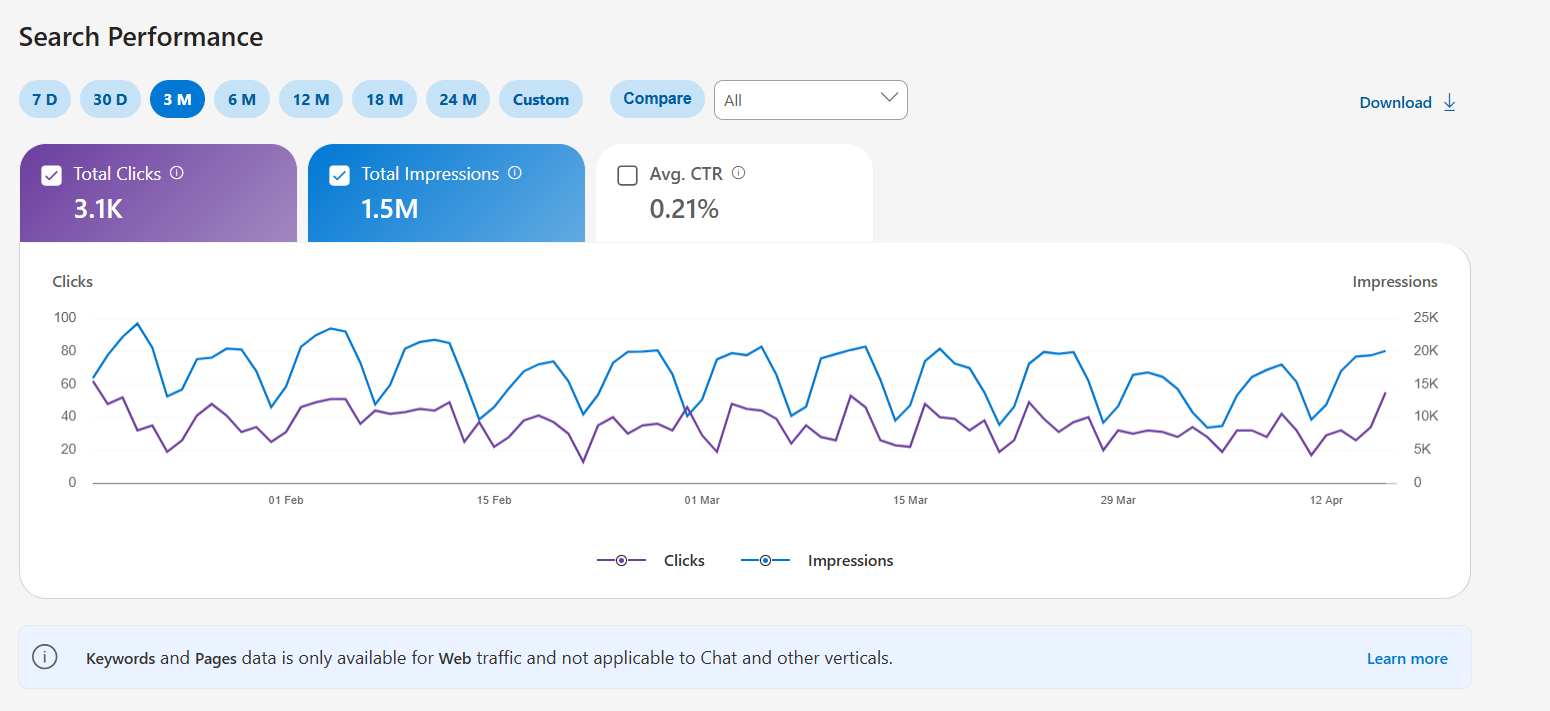
Bing Search Performance dashboard showing 1.5M impressions feeding Copilot

1.5M Bing impressions over three months, the engine that feeds Copilot citations.

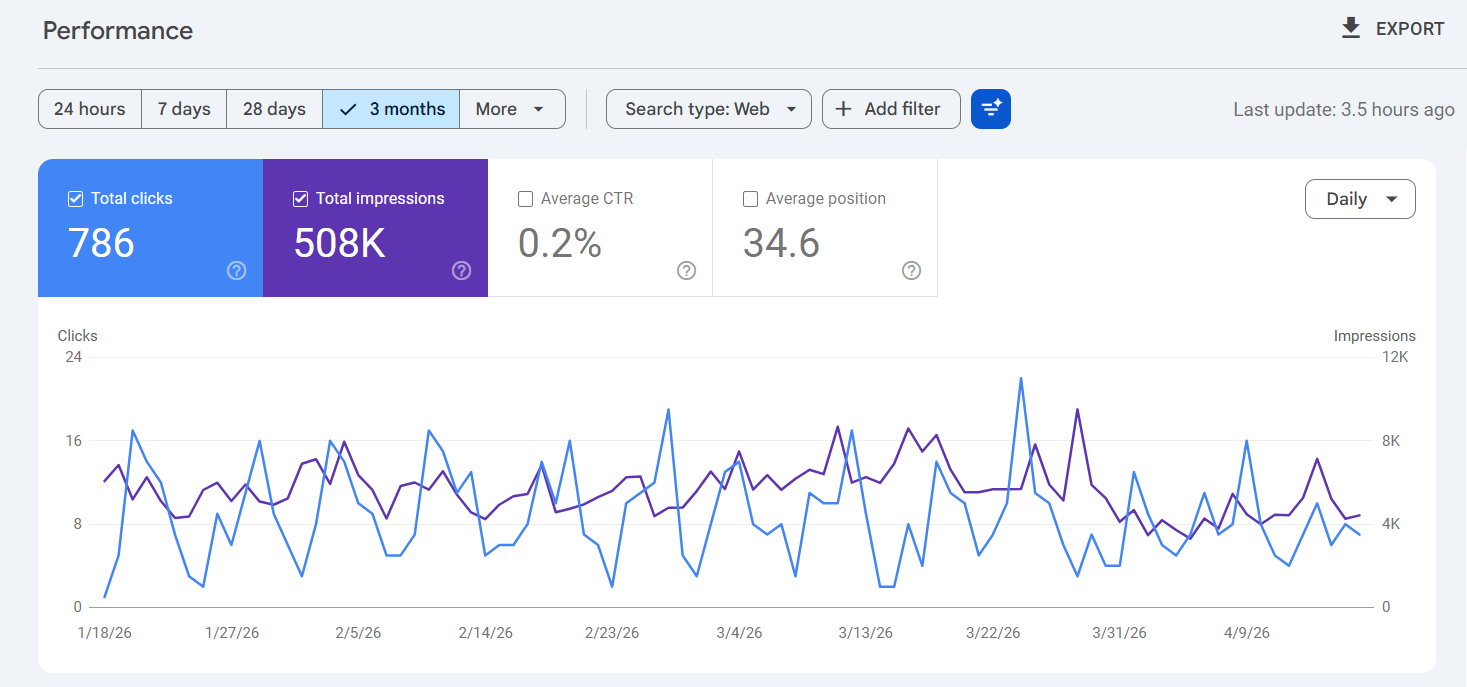
Florida client GSC dashboard showing steady growth feeding AI engines

Steady index growth, the surface that AI Overviews and Copilot draw their answers from.

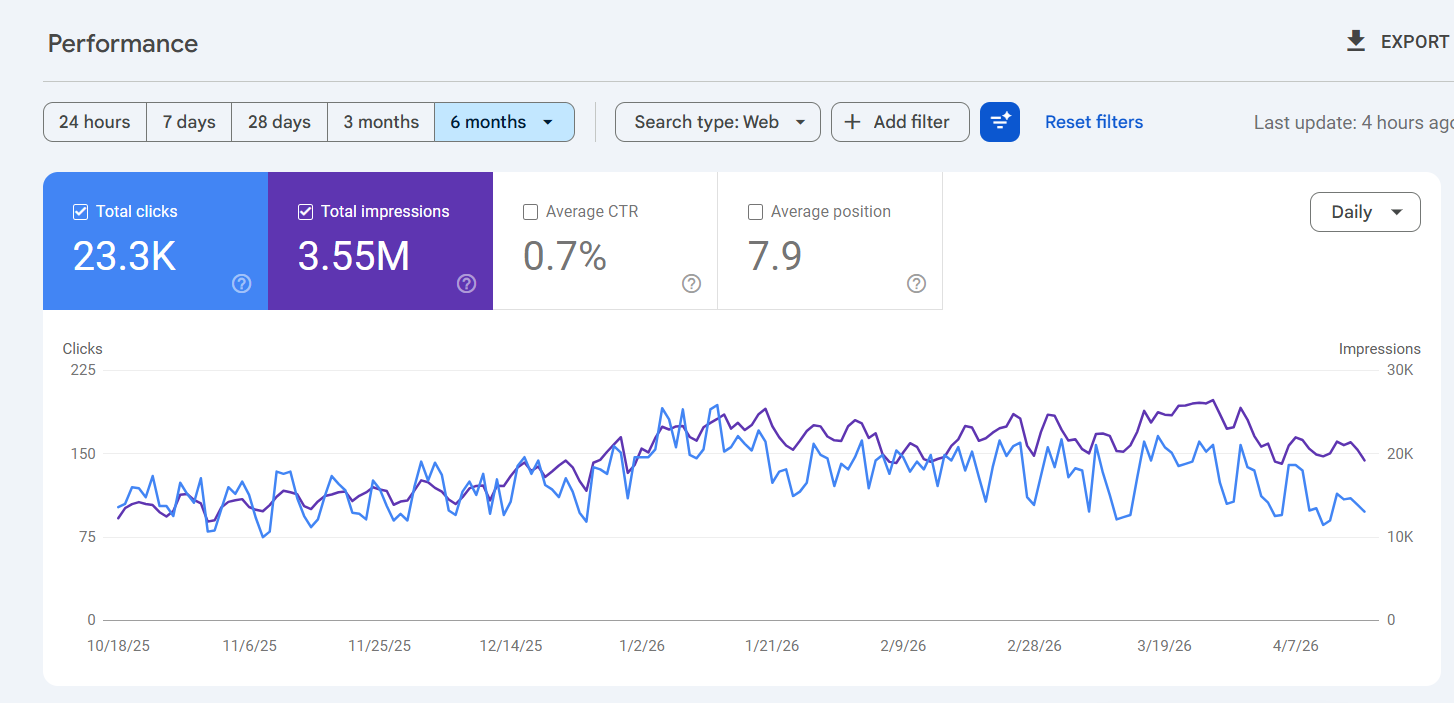
GSC chart 23.3K clicks 3.55M impressions over 6 months

3.55M impressions in six months, the raw fuel that AI engines crawl and quote from.

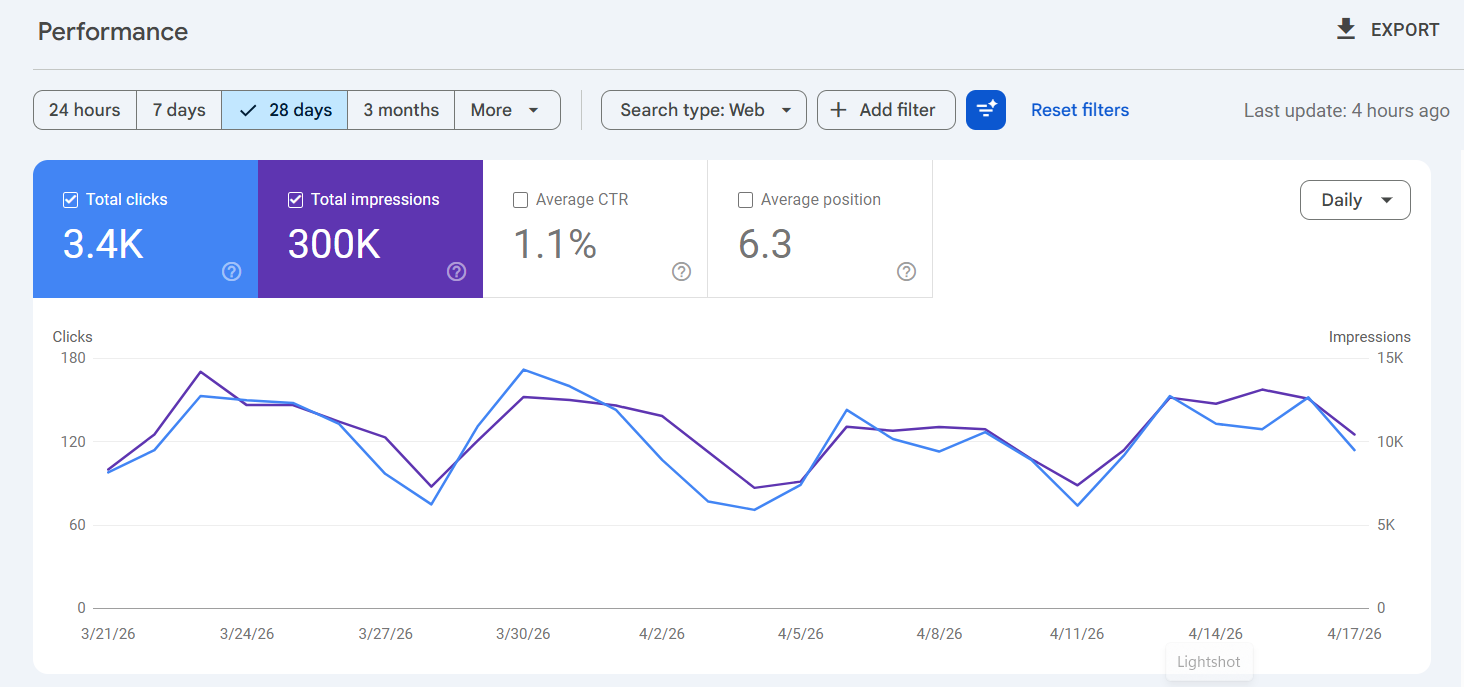
Brooklyn client GSC chart showing 3.4K clicks 28 days

3.4K clicks in 28 days, with local pages now eligible for Copilot citation pickups.

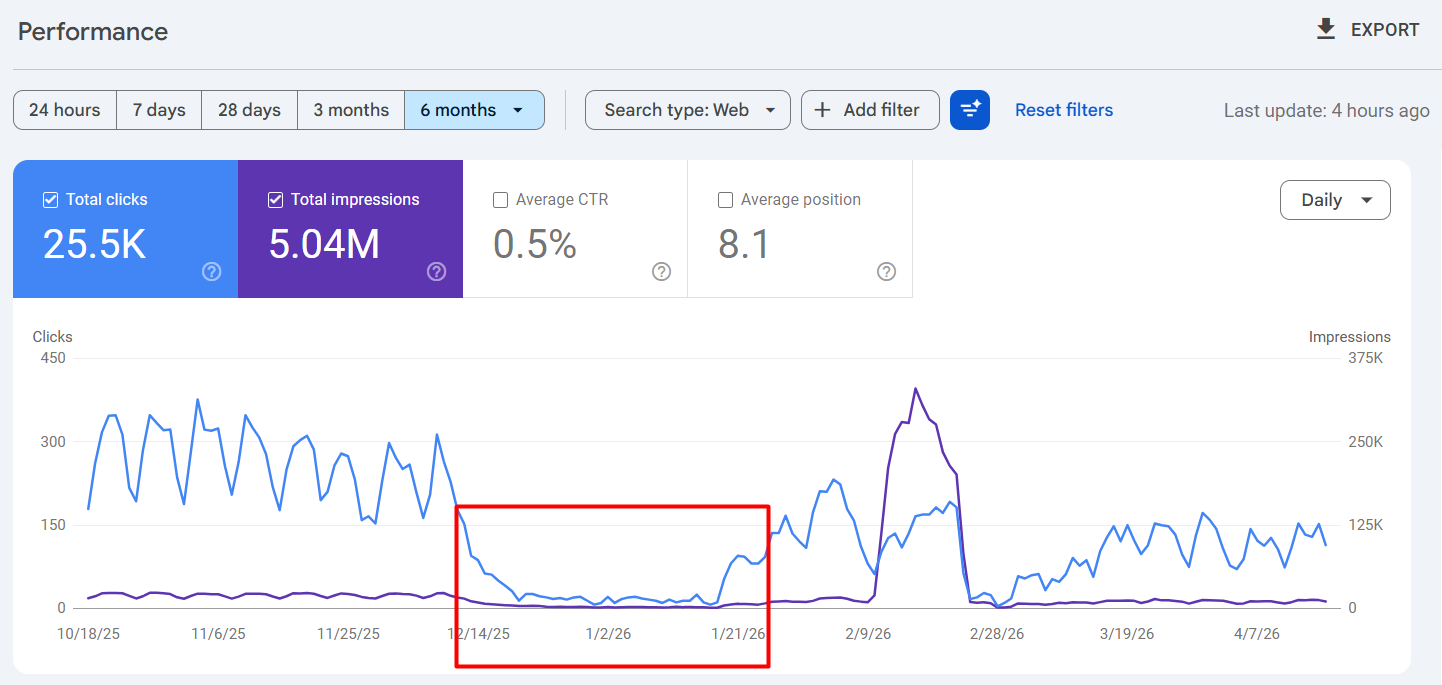
Queens client GSC chart showing recovery and AI re-indexing

25.5K clicks restored after incident, AI engines now re-discovering the clean index.

All dashboards are direct captures from Microsoft AI Performance, Bing Webmaster Tools, and Google Search Console. Names withheld at client request.

Three wins, written up

What actually moved the citation needle.

Three engagements where AI Search Optimization shifted the work from invisible to quoted. Names withheld, dashboards unedited.

GEO 3 months

208.4K AI citations across Bing and Copilot.

A US law firm wanted to test whether AI search was a real lead source. Scope covered entity SEO consolidation, llms.txt installation, Wikidata anchor, and citation-friendly rewrites of the top six practice-area questions. Inside three months the Microsoft AI Performance dashboard recorded 208,400 citations with 131 average cited pages per week.

Service

AI Search Opt

Surfaces

Bing · Copilot

Pages / wk

131 avg
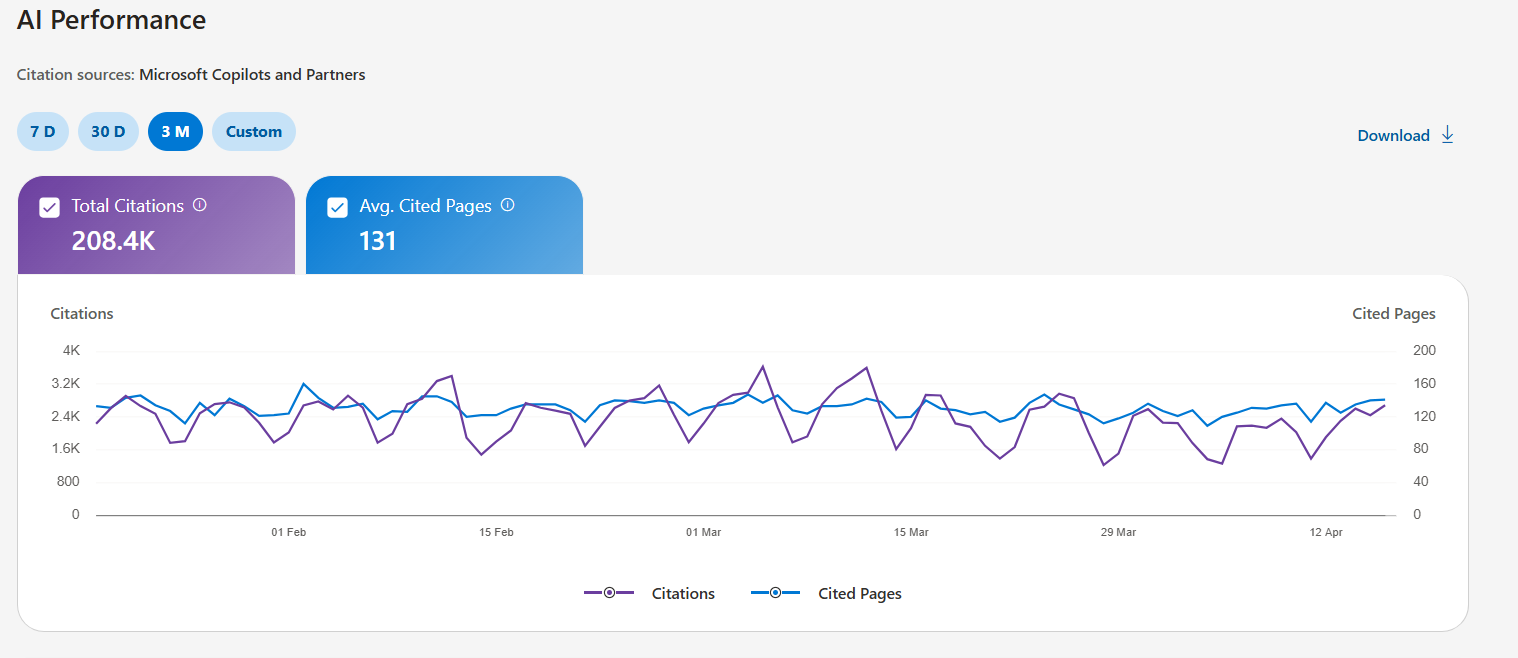
Microsoft AI Performance dashboard showing 208,400 total citations
Bing & AI 3 months

1.5M Bing impressions, feeding Copilot.

Bing is the index Copilot draws from and most ChatGPT browsing relies on. The scope set up Bing Webmaster Tools, fixed indexation gaps Google never flagged, added Copilot-aligned answer formatting, and shipped citation-grade resource pages. Three months later the Bing Search Performance dashboard showed 1.5M impressions and visible Copilot pickups on six tracked queries.

Clicks

3.1K

Surface

Bing · Copilot

CTR

0.21%

Bing Search Performance dashboard 1.5M impressions
AEO 6 months

3.55M impressions, AI Overviews eligible.

A multi-attorney firm came in with high impressions and mediocre clicks. The AEO scope rewrote the top 80 pages around the actual prompts prospects type into Google, restructured each page for direct-answer eligibility, and added FAQ schema to every cluster. Six months later: 23,300 clicks, 0.7% CTR, average position 7.9, and several pages flagged as AI Overviews sources in Search Console.

CTR

0.7%

Avg pos

7.9

Impressions

3.55M

GSC chart 23.3K clicks 3.55M impressions
How scoping works

Audit first, retainer second.

Four steps. No retainer starts until both sides have signed off on the written scope.

01

Free AI Search audit

Send your domain plus 10 prompts your prospects might ask. A written report inside 7 business days covers your current visibility in ChatGPT, Perplexity, AI Overviews, and Copilot.

02

Diagnosis call

A 45-minute walkthrough of findings, what is already working, and where the citation ceiling is sitting. Most engagements clarify themselves on this call.

03

Written scope

Fixed deliverables across all six layers, quarterly milestones tied to engine visibility, a real timeline, and a price. Everything signed before any retainer starts.

04

90-day cycles

Execution on a 30-60-90 cadence with weekly updates. Quarterly reviews compare citation volume, engine coverage, and tracked-prompt wins against the agreed milestones, then we adjust or expand scope.

Ashikur Rahman at workspace, founder of hey-ash

Ashikur Rahman, LLM

Founder, hey-ash.com

Why hey-ash for AI search

Citation work is research work, not promotion.

AI engines do not reward the loudest brand. They reward the source they can trust. An LLB and LLM in International Law plus six-plus years of YMYL SEO means citation thinking is already wired in. Three things change about the work.

Citations favor demonstrated expertise. A degree, a credential, and a public author bio are the strongest signals AI engines have to pick one source over another in YMYL.

Content gets engineered to be quoted, not just read. Short citable phrases, statistic plates, named definitions, and tight FAQ blocks land inside answers more often than long prose.

Measurement is built into every retainer. Most AI Search work fails because nobody knows what changed. Tracked prompt portfolios and weekly engine sweeps fix that.

FAQ

Direct answers, no AI hype.

Most of these are answered in the free audit for your specific brand and prompt portfolio.

Get the audit
How do AI engines actually pick who gets cited?
Each engine has its own logic. ChatGPT browsing relies heavily on Bing index quality. Perplexity weights freshness and source diversity. Google AI Overviews favor pages that already win classic featured snippets. Claude weights well-structured authoritative sources. The optimization work targets every one of these citation paths in parallel.
How long until citations start showing up?
Initial citations on Microsoft surfaces (Copilot, Bing) typically appear in 30 to 60 days because the index is faster. ChatGPT and Perplexity pickups follow at 60 to 90 days as content gets recrawled. AI Overviews citations move with Google’s organic crawl and usually land at 60 to 120 days.
What is the difference between GEO and AEO?
GEO is Generative Engine Optimization, the work that gets a brand cited inside ChatGPT, Claude, Gemini, and Perplexity answers. AEO is Answer Engine Optimization, the work that gets a brand into Google AI Overviews, People Also Ask, and classic featured snippets. Both are inside every retainer.
Will AI traffic ever replace organic traffic?
Probably not in absolute volume, but the question itself misses the point. AI Search captures higher-intent traffic with less competition. A brand cited inside a Copilot answer is the only source the user sees. That outweighs ten organic positions in a SERP they may never click.
Can you fix hallucinations about my brand?
Mostly yes, and faster than you would expect. Hallucinations usually come from outdated entity data (old pricing, old service area, old leadership) that lives somewhere AI engines still trust. The fix is entity consolidation: clean the source of truth, anchor it to Wikidata and schema, and the wrong answer phases out over the next crawl cycle.
Do I need traditional SEO before AI Search work?
A working organic foundation helps but is not a hard prerequisite. The free audit reveals which is the limiting factor. For most brands, the answer is both, sequenced together inside a single retainer so the technical SEO unlocks the citation work and the citation work compounds the SEO authority.
How is success measured?
A tracked prompt portfolio of 30 to 80 buyer-intent prompts gets swept weekly across ChatGPT, Perplexity, AI Overviews, Copilot, and Claude. The dashboard shows: citation count, engine coverage, competitor citation share, and brand mention sentiment. The number that matters is how often your brand appears in answers your prospects actually read.
Free AI Search Audit

See where you are cited right now.

Send your domain plus 10 prompts your prospects might ask. Get a written report covering visibility in ChatGPT, Perplexity, AI Overviews, and Copilot inside 7 business days. No call required.

Or email contact@hey-ash.com directly.