
Case No. 02 · Personal injury website design
Personal injury lawyer websites built to rank and to get the call.
Website design for personal injury law firms that want a site that works as hard as their intake team. Fast on a phone, clear about every case type, built to rank in Google from launch day, and designed to turn an injured visitor into a call or a case review.

Ashikur Rahman
LL.B, LL.M · SEO since 2017 · Personal injury only
Car accident lawyers
Hurt in a crash? Talk to a lawyer today.
Free consultation. No fee unless we win.
Anatomy of the page
What a case-signing page has that most firm sites do not.
An injured person decides in seconds whether to call. These are the parts of the page that decide it.
- 1
A phone number you can tap
Most injured people find you on a phone. The call button sits in the header on every screen size, not buried in the footer.
- 2
A short case review form
Name, phone, what happened. Every extra field loses people who are hurting and in a hurry. Submissions go straight to your intake inbox or CRM.
- 3
Case results with the right disclaimer
Results build trust, and many states require a disclaimer next to them. Both are part of the design from day one.
- 4
A clear path to every case type
Car, truck, motorcycle, slip and fall, wrongful death: each one is a real page that can rank on its own, one click from the homepage.
- 5
Proof a visitor can check
Real reviews, real attorney bios, and bar admissions, because an injured person is deciding whom to trust with the worst week of their life.
Schedule A · What you get
The build, item by item.
Mobile-first design
Designed for the phone first and the desktop second, because that is the order your clients arrive in.
Speed that passes Core Web Vitals
Built to Google's thresholds: largest content in under 2.5 seconds, responses in under 200 milliseconds, and no layout jumping.
Case-type architecture
A page structure that grows with your firm: new case types and new cities slot in without a redesign.
SEO built in
Titles, headings, schema for your firm and attorneys, a clean sitemap, and fast server-rendered pages that Google and AI crawlers can read.
Intake that reaches you
Forms and call buttons connected to your inbox or CRM, with conversion tracking so you know which pages produce cases.
Copy written within the rules
I write the pages in plain English, inside your state's advertising rules, and your firm approves every word before launch.
The record
Rankings you already have are worth protecting.
A new site should never cost you the traffic the old one earned. This personal injury firm lost its rankings to a malware attack. I rebuilt its standing with Google until every click came back. The same care goes into every launch: each old URL is mapped, redirected, and checked.
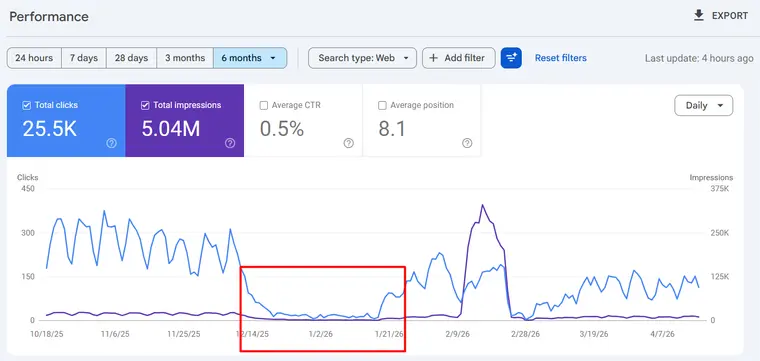
25.5Kclicks recovered
25.5K clicks recovered after a malware attack
Source: Google Search Console · Recovery campaign
Procedure
From first call to launch day.
- Entry 01
Discovery and sitemap
Your case types, cities, intake process, and the pages that already rank. The sitemap is agreed before any design starts.
- Entry 02
Design
Homepage and key page designs, phone first. You review real layouts with real copy.
- Entry 03
Build and content
The site is built on WordPress or a modern stack, on hosting your firm owns. Pages are written, checked against the rules, and approved by you.
- Entry 04
Launch without losing rankings
Every old URL mapped to its new home with a permanent redirect, tracking checked, and the site resubmitted to Google and Bing on launch day.
Questions
Personal injury website design, answered plainly.
- Q1Will a redesign hurt my current rankings?
- It can, if it is done carelessly. Rankings drop when old URLs disappear without redirects, when ranking content is cut, or when the new site is slower. I map every old URL, keep what ranks, and check the launch in Search Console. A redesign done this way usually improves rankings.
- Q2How long does a personal injury website take to build?
- It depends on the number of pages, how quickly content and approvals come back, and whether existing pages are being migrated. The schedule is set in writing at the discovery stage, and the sitemap is agreed before design starts so the timeline does not drift.
- Q3Do you build on WordPress?
- Yes, and on modern stacks as well. The choice depends on who will edit the site and how it will grow. Either way, the site sits on hosting and a domain your firm owns, never on an account only I can access.
- Q4Do you write the content too?
- Yes. I write the case-type pages, attorney bios, and practice copy in plain language, using facts your firm supplies. Nothing is invented: no made-up results, no unverifiable claims. Your firm approves every page.
- Q5Can I keep my current domain?
- Yes, and in most cases you should. Your domain carries years of trust with Google. The new site goes live on the same domain, with redirects from every old page.
Already happy with your site? Personal injury SEO
Next step
A website built to sign cases.
Book a free discovery call. I will show you where your firm stands in Google and in AI answers today, what is holding it back, and what I would do about it. No pressure and no obligation.